Introducing Deep Scan: See Why, and Where
Deep Scan adds forensic analysis to PixelSniff — a region heatmap, four independent detector signals, and plain-language reasoning, powered by TruthScan.

Yesterday we launched PixelSniff with a free basic scan: upload a photo, get an AI likelihood score. It answers one question well — is this generated?
It does not answer the two questions people ask immediately afterwards. Where? And why?
Deep Scan is live today.
From a Number to an Argument
A score of 84 is a claim. On its own, it is a claim you have to take on faith, which is a poor position to be in if you are about to reject a claim, take down a listing, or tell someone their photo is fake.
Deep Scan turns that claim into something you can inspect. Run it on any finished scan and it adds a forensic layer from TruthScan, which analyses generative artifacts, pixel-level manipulation, compression inconsistencies and metadata anomalies.
The Region Heatmap
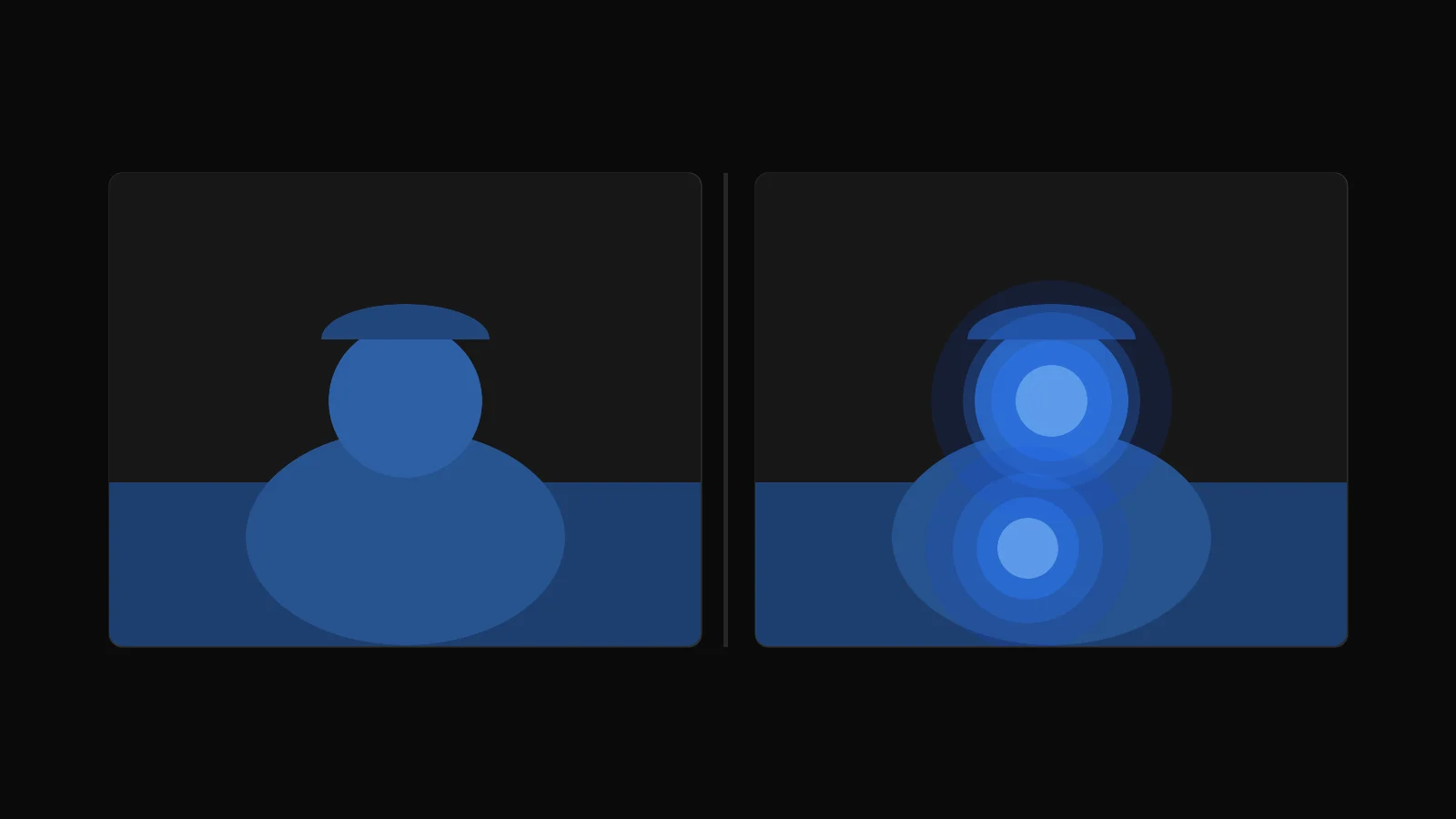
The single most useful output is the heatmap. Instead of one number for the whole picture, you see which regions carry generated or manipulated signals.
This is what separates "this photo is suspicious" from "this photo is a real photograph with a replaced face" — or from "the background was extended with generative fill, but the subject is authentic." Partial manipulation is now the common case, and a whole-image score cannot express it.
Four Independent Signals
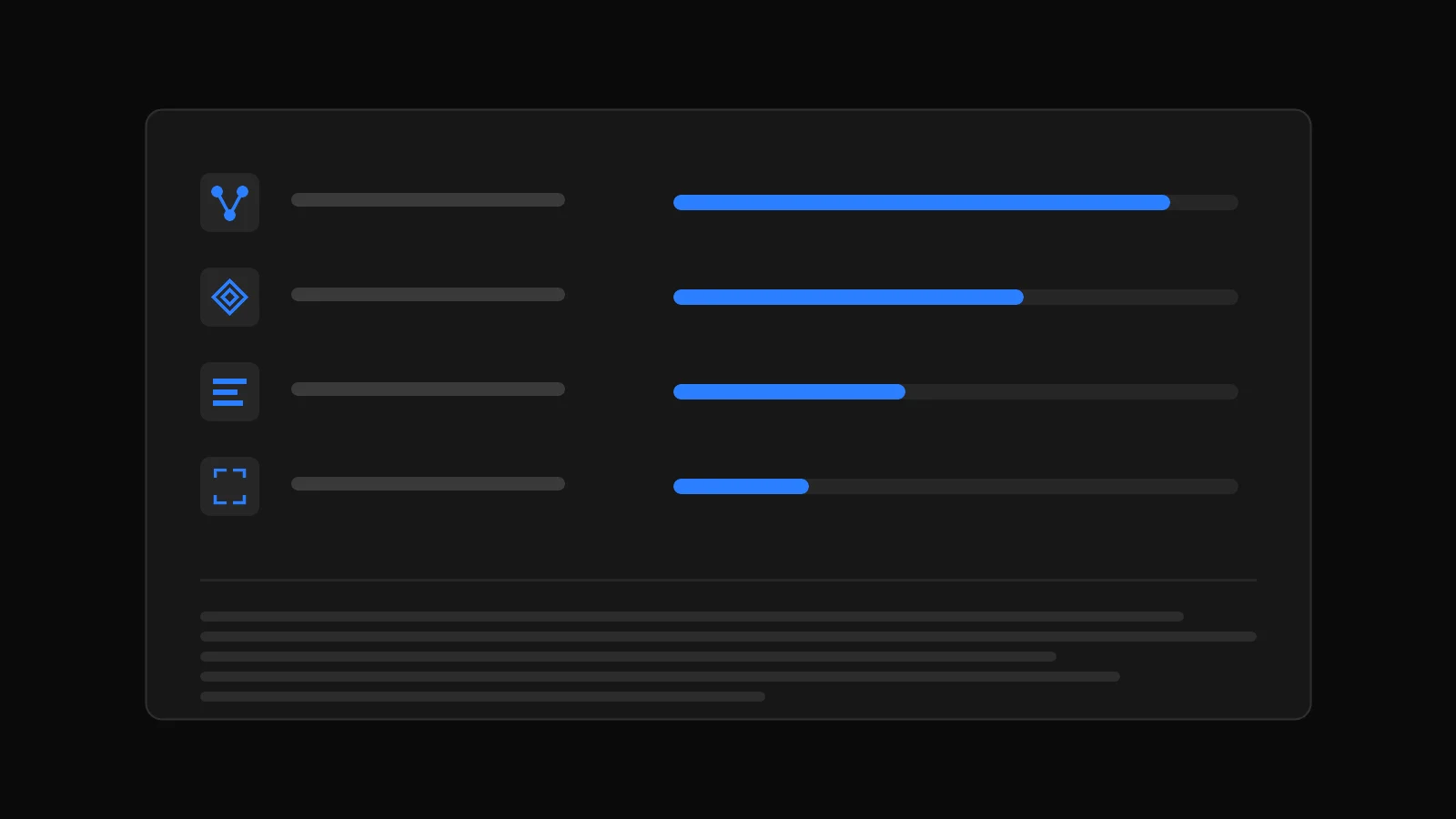
Deep Scan reports four detector checks side by side, each with its own confidence, rather than collapsing them into one opaque number:
- ML model — the learned detector's own verdict on generator artifacts
- SynthID watermark — invisible watermarks embedded by some generators
- Metadata — EXIF and container anomalies, editing traces, missing camera data
- OCR — text rendered inside the image, which generators still handle poorly
Alongside them you get an agreement rating — weak, moderate or strong — describing how strongly those detectors actually concur. Four signals agreeing strongly is a very different piece of evidence than one signal carrying the result while the other three shrug, and you deserve to see which one you have.
Reasoning in Plain Language
The report also includes written analysis rather than scores alone:
- Key indicators — the specific things that drove the verdict
- Visual patterns — the artifacts found and where
- Content tags — what the image actually depicts
- Recommendations — suggested next steps
- Warnings — conditions that weaken the analysis, such as heavy compression
That last one is deliberate. When a scan is operating on degraded input, the report says so instead of quietly returning a confident-looking number.
How the Two Stages Fit Together
Basic and deep are separate stages on a single task.
- Basic runs first and settles on its own — you get your score without waiting
- Deep is opt-in, per image, whenever you decide a result is worth a closer look
- Progress is live through each step: fetching, analyzing, aggregating, notifying
- The combined score weights TruthScan at 60% and Illuminarty at 40%
- Failures refund — a deep analysis that fails or is stopped returns its credits and leaves your basic result intact
Pricing
Deep Scan costs 5 credits. A basic scan stays at 1.
| Plan | Price | What you get |
|---|---|---|
| Free | $0 | 5 guest scans per day, 15 credits on sign-up |
| Pro | $19.90/mo or $199/yr | 2,000 credits every month |
| Credit packs | $49 / $99 | 5,000 or 10,000 credits, one-time, stacks on Pro |
| Enterprise | Custom | Volume pricing — talk to us |
The free basic scan is not going anywhere. It was the point of launching, and it stays free.
Still Evidence, Not Proof
Deep Scan reports forensic signals and confidence. It does not report certainty, and no detector can.
More evidence makes for better judgment, but it does not remove the judgment. A heatmap showing a manipulated region is a strong reason to look harder at an image — not a substitute for looking. Results are for reference only, and should not be the sole basis for a decision about a person, a claim, or a piece of evidence.
We would rather hand you the reasoning and let you weigh it than hand you a verdict and ask you to trust us.
Run a Deep Scan on your next upload.